
NOW AVAILABLE ON-DEMAND

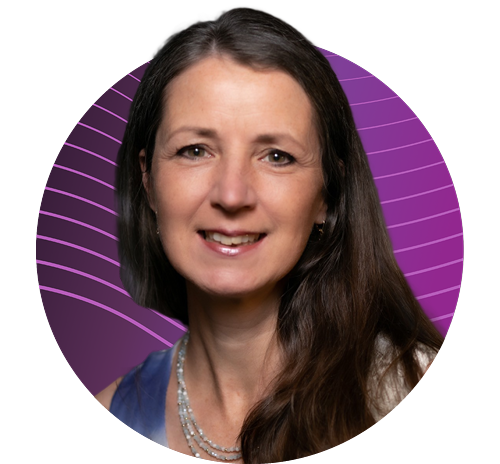
Invited Speaker
LeeAnne Green Snyder, Ph.D.
Licensed Psychologist
About Dr. LeeAnne Green Snyder
Dr. Green Snyder is a clinical psychologist and pediatric neuropsychologist with more than 30 years of experience in autism-focused clinical care, training, and research. She spent two decades guiding clinical outcome assessment and dissemination of research on multi-site and international patient cohorts for the Simons Foundation Autism Research Initiative and Boston Children’s Hospital. She also has supported researchers in the development of novel digital and quantitative behavior measurement and machine learning analysis. She currently consults across research, healthcare, professional continuing education and industry, and provides clinical care through Dartmouth Hitchcock Medical Center, committed to early assessment, diagnosis and support of autism and genetic neurodevelopmental disabilities.
Symposium
Toward Understanding Individual Differences: Data-Driven Decomposition of Autism at the Phenotypic, Clinical and Genetic Levels
LeeAnne Green Snyder, Ph.D., and Aviya Litman
Thursday, March 12 | 8:15AM to 9:45AM | 90 MINUTES | LIVE
Unraveling the behavioral and genetic complexity of autism is extremely challenging, yet critical for understanding its characteristics, biology, inheritance and life course. In this study, we applied a machine learning framework for uncovering distinct subgroups in a large cohort of autistic children (n = 5,392) with matched phenotypic and genomic data. Our analyses identified and independently replicated four subgroups characterized by distinct patterns of core and co-occurring traits and found that those traits correspond to different types of either common, rare or inherited genetic programs. We then further characterized distinct pathways and biological processes disrupted in each subgroup. Remarkably, children with higher support needs who get diagnosed earlier had disruptions in certain types of genes that get activated in the brain at different times than the genes disrupted in later-diagnosed children with lower support needs. Together, these analyses demonstrate the complexity of children with autism, identify genetic programs underlying their diversity, and offer a framework for identifying reliable biologically distinct autism subtypes.
Program Details
Continuing Education
IACET: .15
SLP: 1.5
BACB: 1.5
APA: 1.5
PDU: 1.5
CAMFT: 1
Learning Objectives
Objective 1:
Participants will be able to state two reasons why understanding heterogeneity with objective methods including computational approaches is important to autism research.
Objective 2:
Participants will be able to discuss two differences between common vs. rare variants and their potential impacts in autism and presentation.
Objective 3:
Participants will be able to describe four subgroups uncovered by the current analysis, their phenotypes, and how they correspond with previous clinically defined groups.
Objective 4:
Participants will be able to discuss 4 important considerations and limitations in applying findings about autism subgroups to clinical practice with clients and families.


Elevate Your Impact is Catalight’s annual virtual conference, dedicated to advancing person-centered care for individuals with autism and intellectual developmental disabilities (I/DDs). Offering continuing education to those who qualify, the conference features a dynamic mix of live sessions and on-demand content, providing a flexible learning experience. Elevate Your Impact is an opportunity to connect with thought leaders, gain insights and optimize care outcomes in behavioral health.