
NOW AVAILABLE ON-DEMAND
Speaker
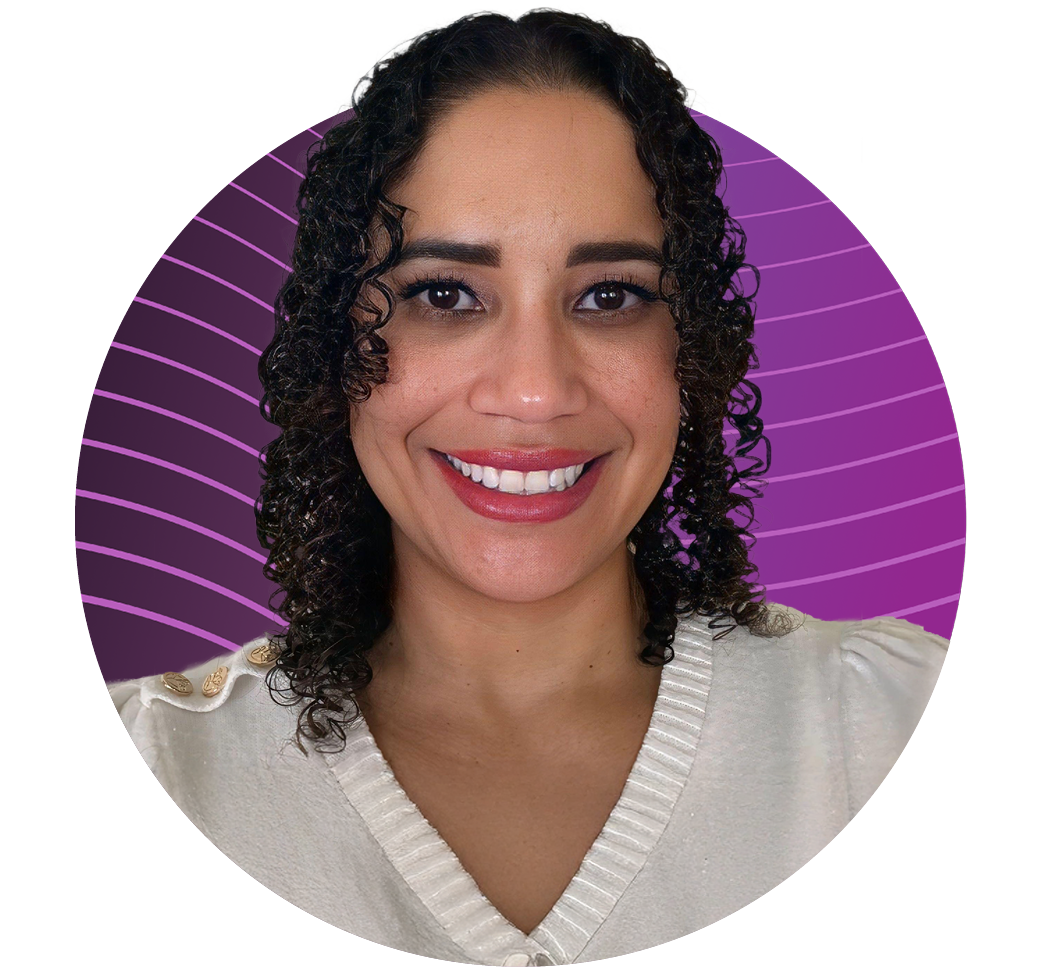
Kimberli Santa Maria, Ph.D., BCBA, LBA
Senior Regional Director of West Coast Clinical Operations at Butterfly Effects
About Dr. Kimberli Santa Maria
Dr. Kimberli Santa Maria is the senior regional director of West Coast Clinical Operations at Butterfly Effects, overseeing Regional Directors and BCBAs across California and Arizona. With nearly 20 years in education and behavior analysis, she is recognized for her leadership, organizational expertise, and commitment to improving outcomes for individuals with diverse needs.
She earned her Ph.D. in psychology with a specialization in behavior analysis from Capella University, a master’s degree in special education from Azusa Pacific University, and a bachelor’s degree in psychology with a minor in elementary education from Norfolk State University. She has presented at numerous ABAI conferences as a speaker, chair, and panelist, and has played a key leadership role in establishing Early Intervention and regional center contracts across California. Her expertise includes supervision and performance feedback, self-management strategies, organizational behavior management, and leadership in clinical and educational settings.
Presentation
Treatment Integrity: Optimal Levels for Effective Outcomes When Implementing Skill-Based Treatment
Friday, March 13 | 1:50PM to 2:50PM | 60 MINUTES | LIVE
This study examined the impact of treatment integrity (TI) on the effectiveness of skill-based treatment (SBT) for children with autism spectrum disorder (ASD) within applied behavior analysis (ABA) programs. Using a nonconcurrent multiple baseline design across nine participants, behavior technicians implemented SBT at low, high, and 100% TI levels following practical functional assessments (PFA) of problem behavior. Results showed that SBT delivered at TI levels between 70% and 100% consistently reduced problem behavior to zero and facilitated mastery of functional responses, while low TI was associated with increased problem behavior and limited skill acquisition. Participants who began at low TI successfully transitioned to high TI and achieved mastery criteria. Findings highlight a functional relationship between TI level and treatment outcomes, providing evidence that SBT can be effectively integrated into ABA therapy programs by technicians with varying experience, provided sufficient treatment integrity is maintained.
Program Details
Continuing Education
IACET: .1
SLP: 0
BACB: 1
APA: 0
PDU: 1
CAMFT: 1
Learning Objectives
Objective 1:
Learners will be able to describe two ways in which treatment integrity helps clinicians analyze the functional relationship between variables.
Objective 2:
Learners will be able to identify three reasons why it is important to establish the TI levels required for an intervention to be effective in applied settings.
Objective 3:
Learners will be able to identify the two TI levels the research found were effective when implementing SBT.

Elevate Your Impact is Catalight’s annual virtual conference, dedicated to advancing person-centered care for individuals with autism and intellectual developmental disabilities (I/DDs). Offering continuing education to those who qualify, the conference features a dynamic mix of live sessions and on-demand content, providing a flexible learning experience. Elevate Your Impact is an opportunity to connect with thought leaders, gain insights and optimize care outcomes in behavioral health.