
NOW AVAILABLE ON-DEMAND
Invited Speaker
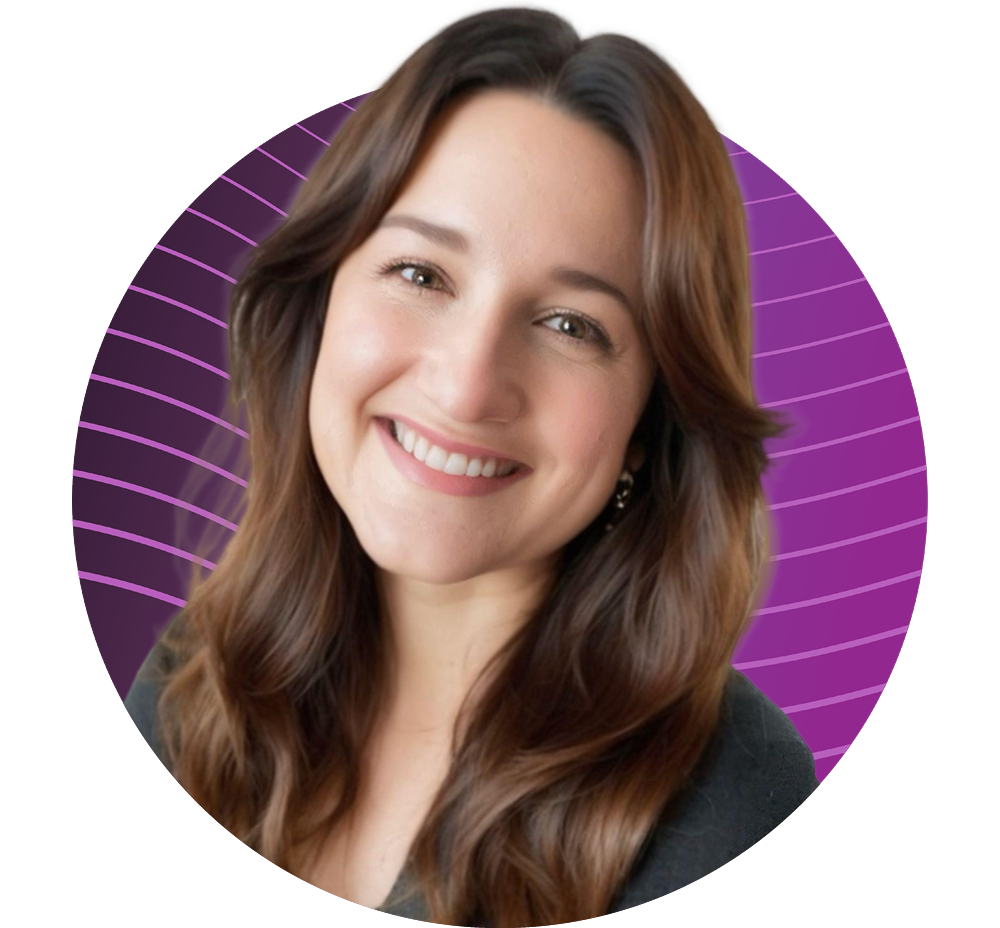
Tracy Raulston, Ph.D., BCBA-D
Associate Professor of Special Education at Texas State University
About Tracy Raulston
Dr. Raulston is a Board Certified Behavior Analyst – Doctoral designation (BCBA-D) with more than 15 years of teaching, clinical, and applied research experience. She is an Associate Professor of Special Education at Texas State University and the graduate advisor for the Applied Behavior Analysis (ABA) concentration. Her scholarship is centered on early interventions to support the social emotional development of autistic children and those with related developmental differences. Within this broad framework, three overlapping lines of research emerge: (1) early social skills interventions, (2) family capacity and well-being, and (3) prevention of behavior problems.
presentation
Bringing Family Practices to Life: Practical Strategies for Behavior-Analytic Care
Tracy Raulston, Ph.D., BCBA-D
Friday, March 13 | 12:45PM-1:45PM | 60 MINUTES | LIVE
Caregiver engagement is critical to the success of early intervention services, yet barriers that impact everyday clinical work exist. This presentation provides practical guidance for integrating family practices into behavior-analytic care, with a focus on early caregiver-mediated intervention. The session introduces three complementary types of family practices: (1) family-centered practices that prioritize caregiver values and preferences, (2) family capacity-building practices that strengthen caregiver confidence and competence and (3) family–professional collaboration practices that support shared decision making and mutual expertise. The session begins with a summary of a mixed-methods study that examines the extent of training and supervision in family practices among Board Certified Behavior Analysts (BCBAs) and identifies implementation determinants that influence the successful use of family practices in applied settings, including flexibility of system policies, alignment between family and clinician goals and practitioner confidence and competence. The second part of the presentation focuses on the applied aspects of family practices, including actionable steps practitioners can take, such as developing meaningful, measurable family guidance goals that align with caregiver priorities. Next, methods that enable feasible data collection on progress toward family guidance goals are explored. Emphasis is placed on data systems that are realistic for families and useful for clinical decision making. Finally, participants engage in guided brainstorming and practice to develop a routine-based plan in which strategies are embedded into natural family routines such as play, mealtimes and daily hygiene routines. Overall, this session presents key implementation determinants of family practices and equips practitioners with ideas and tools they can utilize in their clinical practice.
Program Details
Continuing Education
IACET: .1
SLP: 1
BACB: 1
APA: 1
PDU: 1
CAMFT: 1
Learning Objectives
Objective 1:
Participants will describe three types of family practices (family-centered, family-capacity building, and family-professional collaboration).
Objective 2:
Participants will identify 2 implementation determinants related to family practices.
Objective 3:
Participants will develop a 1 family guidance goal and a feasible data collection method.
Objective 4:
Participants will describe how to embed strategies into a natural family routine.


Elevate Your Impact is Catalight’s annual virtual conference, dedicated to advancing person-centered care for individuals with autism and intellectual developmental disabilities (I/DDs). Offering continuing education to those who qualify, the conference features a dynamic mix of live sessions and on-demand content, providing a flexible learning experience. Elevate Your Impact is an opportunity to connect with thought leaders, gain insights and optimize care outcomes in behavioral health.